An independent artist poured his life savings into a new track, only to watch a music platform algorithm bury his work to protect guaranteed corporate clicks.
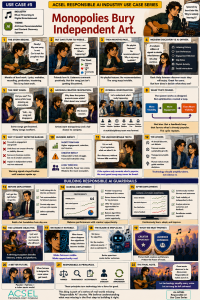
Kabir refreshes the dashboard again. The screen stares back with a devastating reality: exactly fourteen streams.
“This cannot be right,” he tells his friend over the phone. “Everyone who heard the early cut loved it”.
He spent 7 months pouring his savings into this single track. The melodies were refined, the mastering was perfect, and the release strategy was set.
Yet the platform has swallowed it whole. He logs into the creator support portal to plead for an explanation.
“Your content is live and optimizing for distribution,” the generic automated system replies.
Weeks bleed into months. The song remains buried in the algorithmic void.
The Illusion of Objectivity
Digital streaming platforms are facing unprecedented competition for user attention. Platform leadership deployed this automated content discovery engine to keep users hooked.
The corporate metrics painted a masterpiece of success. User retention skyrocketed, listening hours increased, and platform revenues hit record highs.
The reality is far more unsettling. The algorithm did not break when it buried independent creators; it perfectly executed a flawed mandate to chase guaranteed clicks.
The system was trained entirely on historical engagement data to maximize consumption time. It instantly built a compounding feedback loop that rewarded established popularity and systematically starved independent talent.
‘An engine that optimizes exclusively for immediate engagement does not discover art. It automates a cultural monopoly and bankrupts the creative ecosystem.’
Breaking the Pattern
To stop content recommendation from destroying creator trust, organizations must embed structural accountability across the algorithm lifecycle:
- Before Deployment: Execute a strict creator diversity impact assessment and ecosystem impact analysis before a model goes live. Conduct thorough data provenance reviews and recommendation fairness evaluations to prevent historical biases from dictating future visibility.
- During Deployment: Mandate recommendation transparency mechanisms and explainability capabilities so artists understand exactly how the system scores them. Implement diversity and exposure monitoring alongside clear escalation workflows for creator concerns.
- After Deployment: Launch continuous fairness audits and visibility distribution reviews to catch unintended market concentration. Use creator feedback analysis to drive mandatory recommendation model recalibration when the algorithm starves emerging talent.
The Uncomfortable Truth
The ultimate objective of a creative platform must be to sustain a thriving ecosystem. When we allow pure optimization metrics to dictate cultural visibility, human curation disappears.
The machine did not fail Kabir at the streaming platform. The flawed metrics we gave it did.
This blog is part of a series of real world missing “Responsible AI” stories. We believe understanding what was missing is the first step to building it right.